
When it comes to creating a space you’ll love, the first step is to find inspiration that feels meaningful. By sourcing and organizing ideas tailored to your interests, you’ll bring personality into your space and make it uniquely yours. Here’s a step-by-step guide to gathering inspiration to help clarify your vision and kickstart the design process. It’s a great first step to take when you’re briefing Your Interior Designer
1. Explore Your Passions and Lifestyle
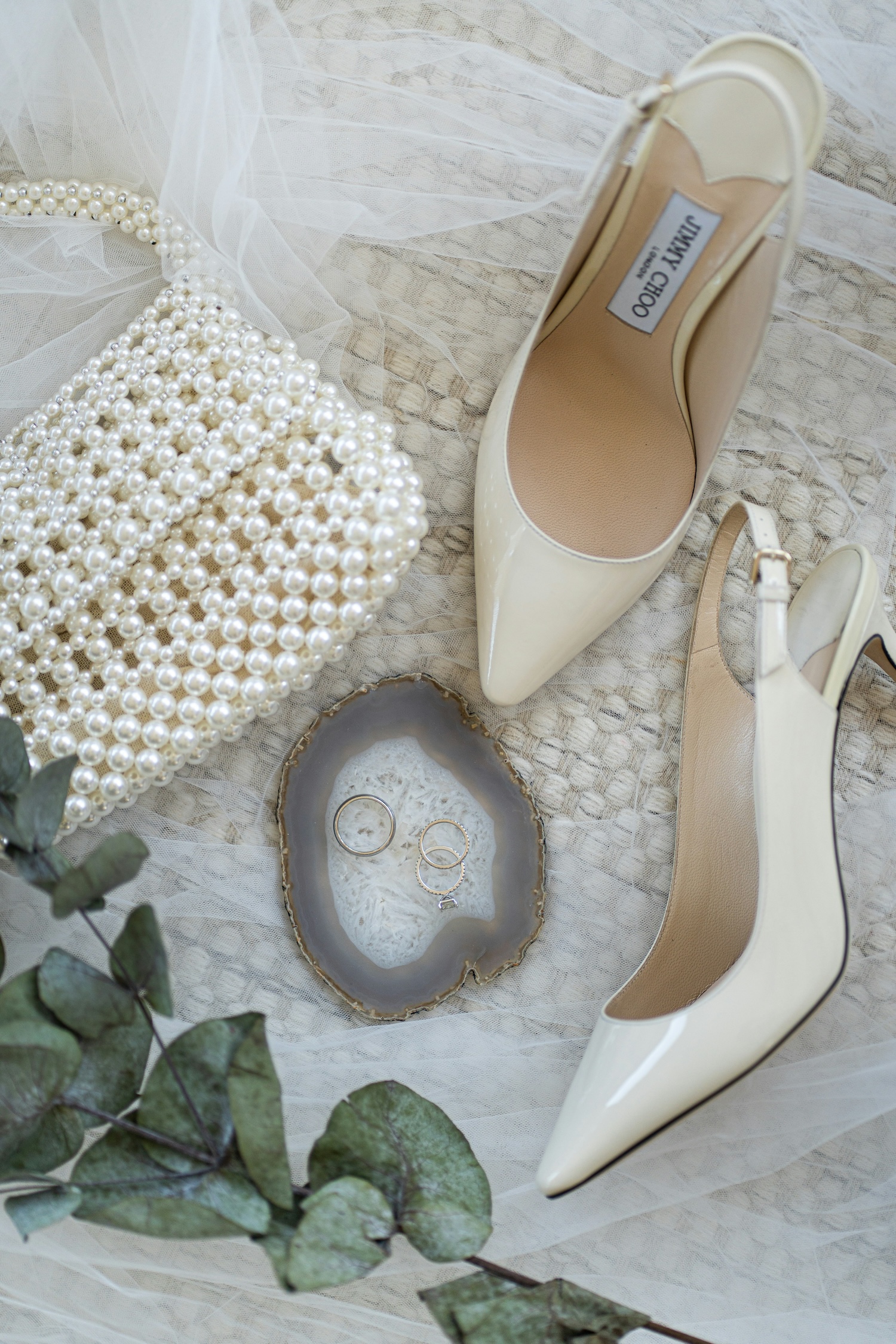
Before turning to design platforms like Pinterest & Instagram, reflect on your life and interests, as these will set your space apart from a display home, and the cookie-cutter on-trend homes you see in design magazines. Think about what elements make you you – fashion, favorite books, music, movies, art, crafting, cooking or gardening. For example, fashion can influence colour, texture, and fabric choices in your interiors, creating spaces that feel as expressive as your wardrobe. Or, perhaps a beloved movie resonates with you; let it guide the mood of your space. For me, it’s Breakfast at Tiffany’s, Rear Window & the original Ocean’s Eleven, all of which I keep going back to over the years.
2. Embrace Art, Exhibitions and Local Design
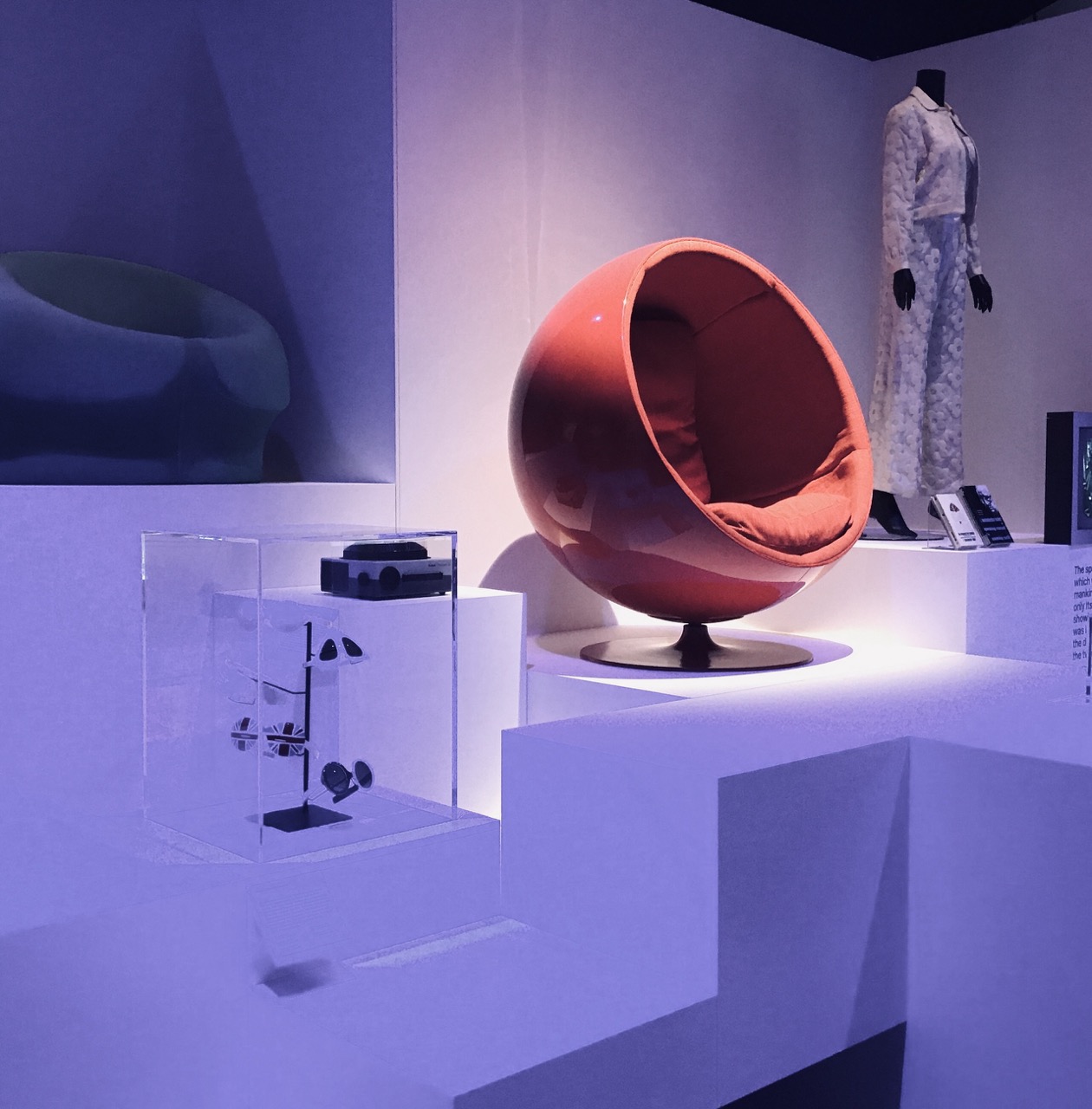
If you love art and design, make a habit of attending local exhibitions. Consider pieces that captivate you, whether they’re personal collections or well-known artworks, as anchors for your design style. The Art Almanac can help you stay informed about upcoming exhibitions around Melbourne and Victoria. And remember, pieces like Picasso’s “Sunflowers” could inspire a whole room without needing to own the original – the colours and feel are what matter.
3. Reflect on Travel Memories
Think back on the travel experiences that brought you joy. Did the textures, colours, or layouts in a coastal villa inspire you? Perhaps a favorite beach campsite stirs memories that you’d like to bring to life in an alfresco area. My own alfresco was inspired by camping on the Lakes Entrance foreshore; each choice – like outdoor blinds that zip with that same sound I remember when zipping open the canvas tent flap – reflects that simple but memorable time.
4. Visit Local Inspiring Places
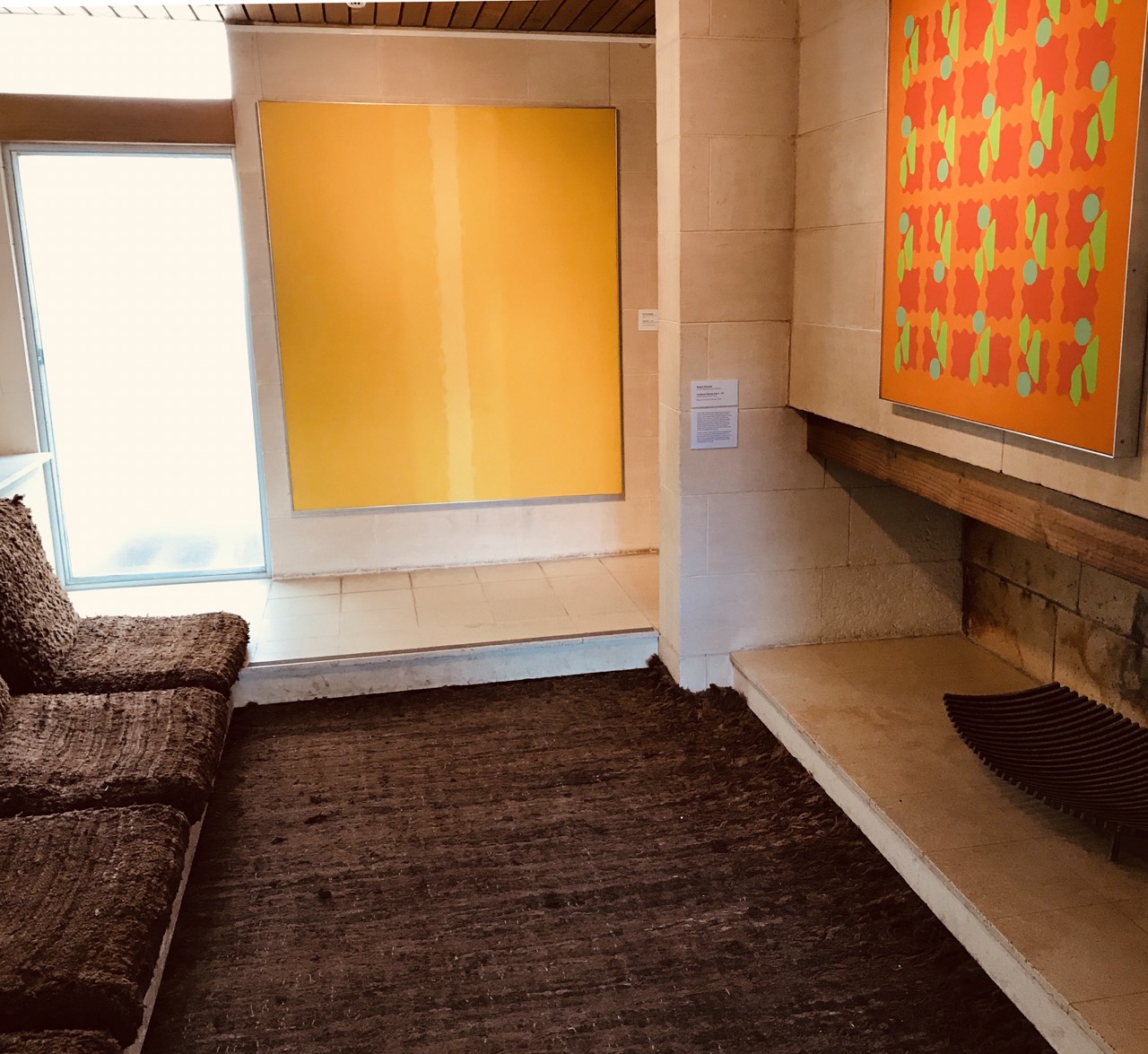
There’s no substitute for seeing materials and layouts in person. Showrooms, local cafes, and even heritage sites like Melbourne’s Heide Museum of Modern Art original 1960’s home which was designed as ‘a gallery that could be lived in’ offers hands-on understanding of how materials and layouts come together. Attending events like Open House Melbourne in July also gives a great view of local Australian design.
5. Contain Your Hobbies & Collections
Some of us (cough – my husband – cough), have collections & or hobbies (in his case both), that can either form the inspiration for your home, or you may be like me and just finding a way to live in harmony with someone else’s passion without it overwhelming the space til it looks like only one person lives in the home. They then need to be contained, allocated to certain areas, or a design strategy needs to developed to integrate them without dominating the space.
6. Immerse Yourself in Design Books and Magazines
Magazines like Belle and Vogue Living offer a vast array of curated interiors to explore. Look for publications that capture Australia’s climate and timeless design aesthetics for ideas you can bring into your space. For books, focus on ones dedicated to modern Australian architecture, minimalism, or eclectic styles that align with your vision.
7. Use Pinterest and Instagram for Design Ideas
Pinterest and Instagram are great tools for gathering ideas. Type specific search terms, like “modern country style” or “inner-city townhouse design,” to curate a visual starting point. Save the images to a board to identify common themes in what you’re drawn to—these elements will be the foundation of your design.
Conclusion
Taking the time to thoughtfully gather and organize inspiration will clarify your style and help you communicate it with a designer. In two weeks, we’ll share part two of this series, covering how to organise your inspiration and build a cohesive design vision.
Want a head start? Contact us for a Discovery Call or book an Initial Consultation to start designing a space that truly reflects your style and story.
A well-crafted brief is essential to ensure that both your Architect and Interior Designer can bring your vision to life seamlessly. So, how do you get started? Check out my blog post on How to Create a Great Brief for Your Interior Designer who Collaborates with Your Architect, and don’t forget to think about what makes you you, when writing your brief.
Why hire an Interior Designer in Melbourne for your Wellbeing-Focused Home?
Hiring a qualified Interior Designer in Melbourne allows you to design your home with intention. Designers can take the time to consider how your daily rituals – like mediation, exercise, and relaxation – can be supported by the environment around you. By collaborating early on with your Architect and Interior Designer, you can ensure that both the architecture and the interiors work together seamlessly to support your lifestyle and wellbeing.
Gather your Ideal Design Team Early
Building or renovating a luxury home requires more than just a good Architect. To ensure your home supports your daily rituals and lifestyle, it’s essential to bring in a highly skilled Interior Designer at the start of the process. Getting an Interior Designer onboard early ensures a more integrated design approach. You’ll benefit from a Peer Review where your designer will offer feedback on layouts, suggest furniture arrangements, assess flow, and provide advice on materials.
Supporting Architects by Focusing on the Interiors
When building or renovating a home, architects face increasingly complex challenges such as town planning regulations, environmental considerations, and compliance with ever-evolving building codes. By hiring an Interior Designer to handle the finer details of your interiors, you allow your architect to focus on the broader structural elements of your home. A dedicated designer can help alleviate some of that pressure, ensuring that your homes interiors are meticulously planned and beautifully executed.
Ready to Create a Wellbeing-Focused Home?
Lisa Elliott Interior Design can guide you through the process. To discuss how we can design a home that supports your wellbeing rituals, book a 30-minute Discovery Call with me today!
Warm Regards,
Lisa Elliott
I understand the importance of exceptional design when creating high-end, luxury spaces. Booking a Discovery Call with us gives you the opportunity to:
- Collaborate on Your Vision: Share your project goals and creative vision. I’ll work with you to ensure the design integrates seamlessly with your architectural plan.
- Anticipate Design Challenges: I’ll help you navigate potential challenges, like budget or construction complexities, to ensure your project runs smoothly.
- Align on Process: Understand how I work, from concept development to detailed documentation, and ensure my approach supports your project timeline and quality standards.
- Build the Right Partnership: A Discovery Call is a great way to see if I’m the right fit for your project, offering expertise that aligns with your design goals.
Let’s start a conversation and explore how we can bring your vision to life.
“We think you are unbelievably thorough and trust you can run a job from start to finish which is invaluable…we will be working on something [more] together soon”
Concept CI – Ben Mensink


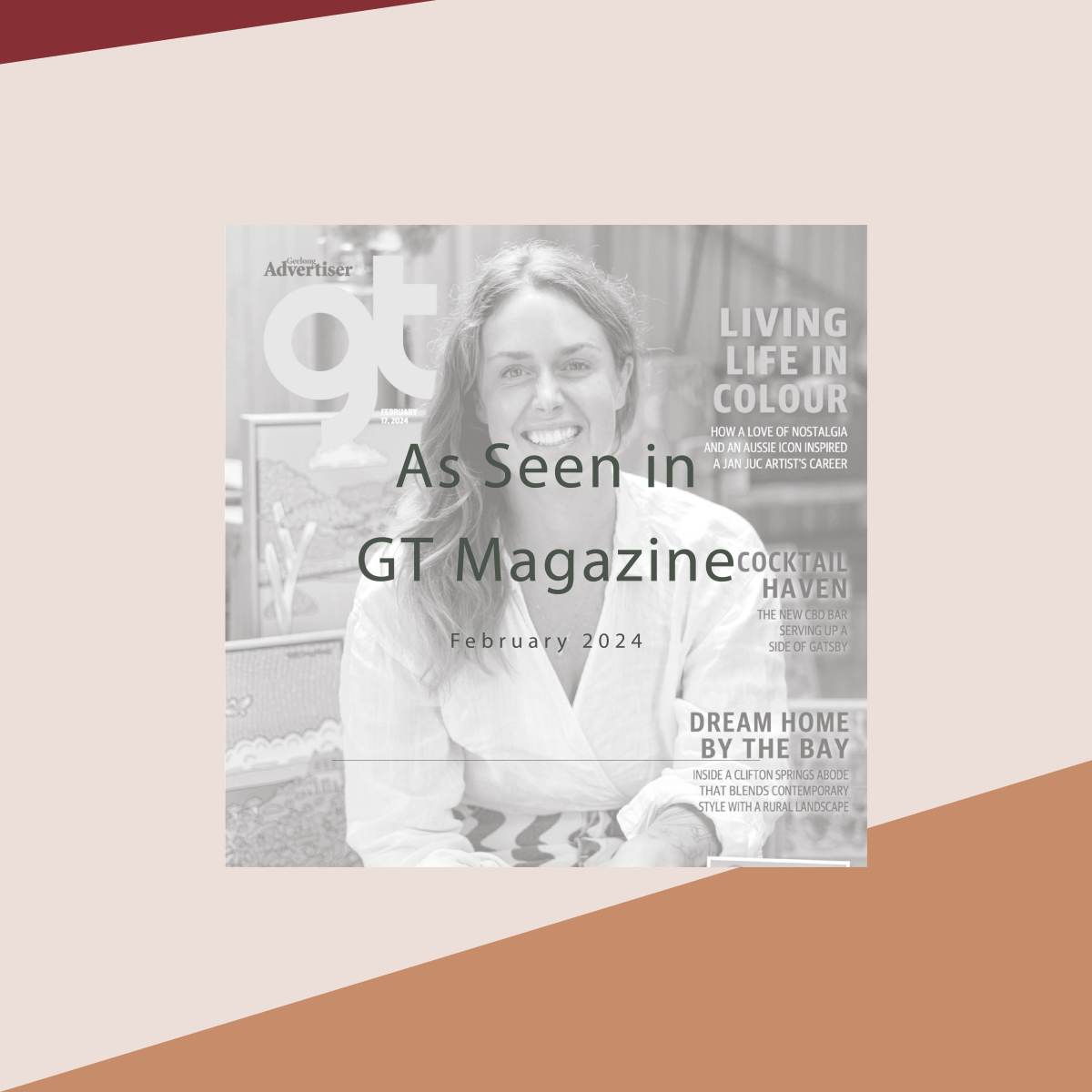
So, why Hire an Interior Designer?
Many clients often overlook the value of hiring a professional interior designer, especially when embarking on high-end or complex builds. Some may believe that working solely with a builder and selecting finishes as they go will suffice. However, without a cohesive design vision, this often results in last-minute decisions, limited choices, and unforeseen costs due to changes or variations not accounted for by the builder.
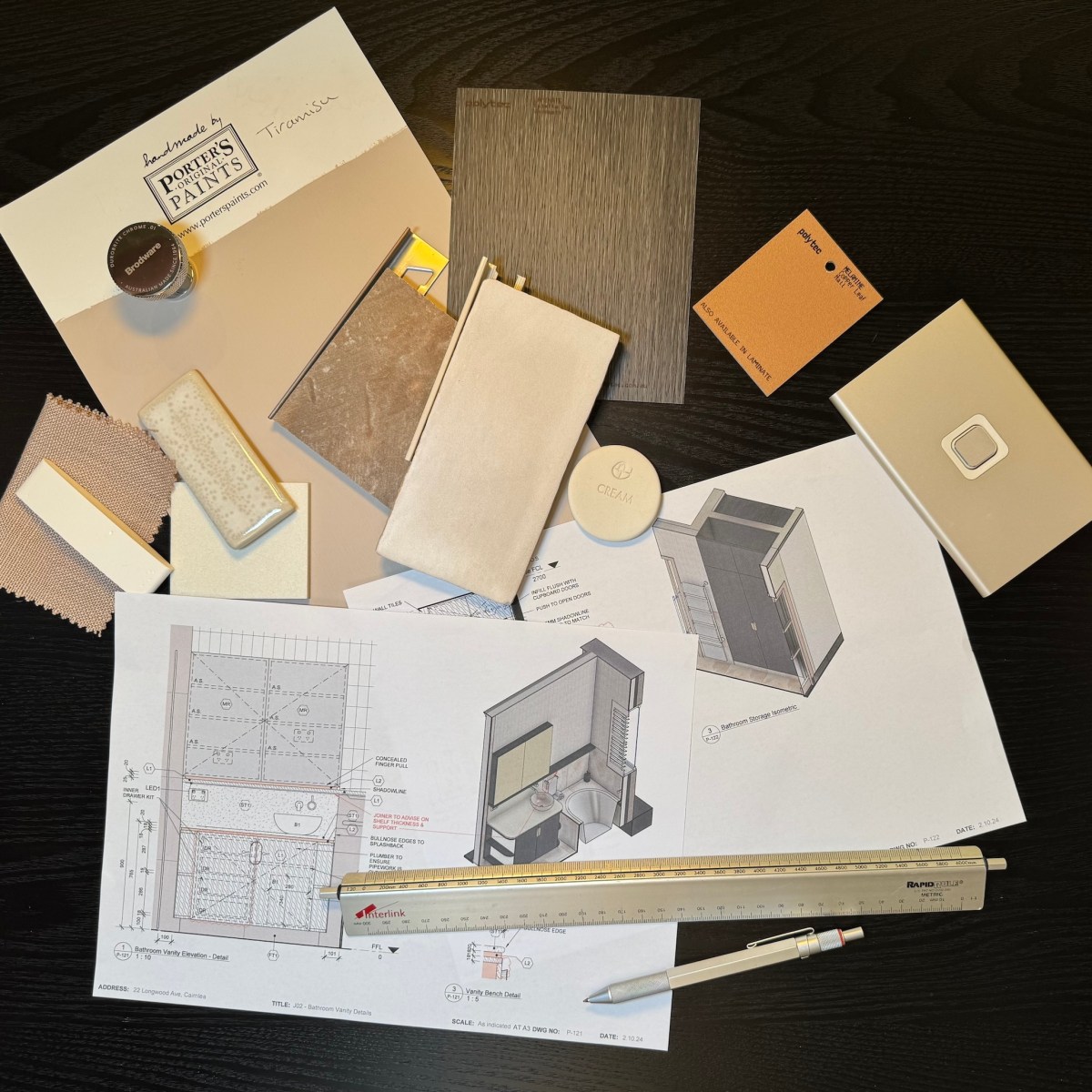
Collaborating with a qualified interior designer from the start allows for strategic planning, ensuring that every aspect—layouts, finishes, and furnishings—are meticulously designed to align with both function and aesthetics. You’ll receive detailed drawings and material selections early on, allowing for competitive quoting and eliminating guesswork.
Beyond aesthetics, you require a highly trained, registered interior designer, particularly for complex luxury residential and commercial projects. This is not just about having a “good eye” for design; it’s about ensuring spaces meet regulatory standards, timelines, and a vision that enhances the overall architecture.
By working with a professional, you ensure a seamless process that saves both time and money while delivering a final product that matches your project goals.
(please pin the below graphic to your Pinterest board for reference)
(please pin the below graphic to your Pinterest board for reference)
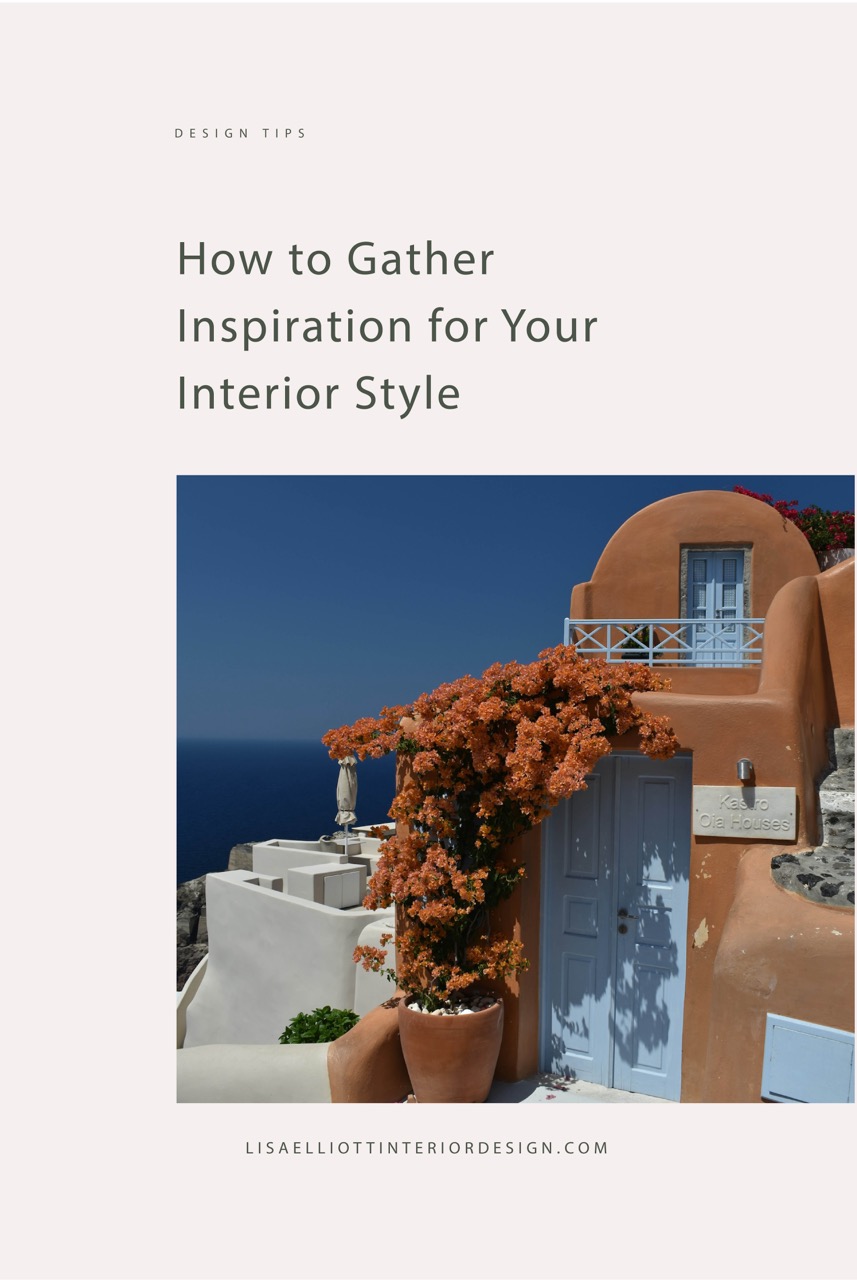
(please pin the below graphic to your Pinterest board for reference)
Feature Image by Matheus Oliver via Unsplash

Let’s make something beautiful together, book an appointment to explore your dream project.
Image: Omar Rodriguez @ormphotography

 Lisa Elliott Interior Design